

Blog Center
What is a special lithium battery? Uses and characteristics of military special vehicles
2021-09-28
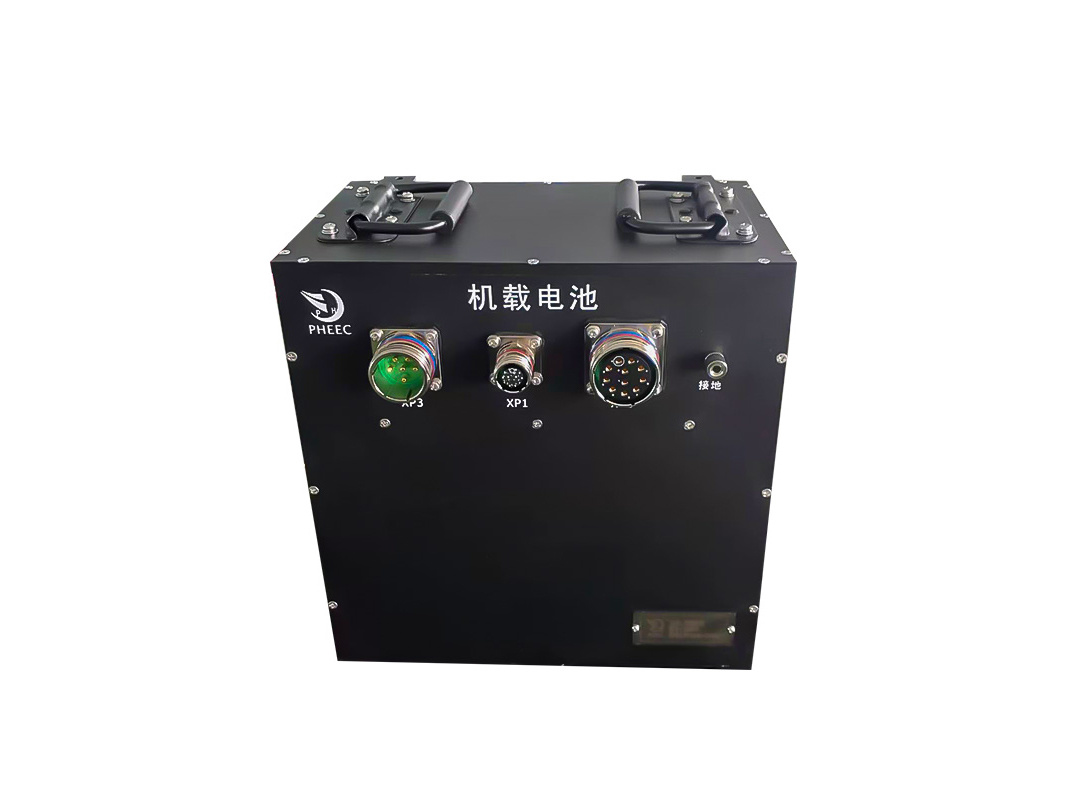
What is a special lithium battery? The uses and characteristics of military special vehicles. In recent years, with the continuous advancement of technology, ordinary lithium batteries can no longer meet people's needs, especially in some special fields where specialized special lithium batteries are required. Currently, with the development of high technology and changes in international policy and economic situations, military vehicle equipment on the battlefield is also changing accordingly. To better understand and develop military special vehicles, we must understand their uses and characteristics. What is a special lithium battery? Nowadays, the demand for batteries is increasing, and the requirements are getting higher, with various types of batteries available. Special low-temperature lithium batteries have specific temperature requirements, mainly for environments below -40°C, requiring the battery to achieve over 80% of its rated capacity at a 0.2C discharge rate. The main feature is that the capacity must be sufficient at low temperatures to ensure normal operation. Special lithium batteries refer to batteries that are rarely circulated in the market, require customization, and are not easily available. There are several types: irregular shapes, irregular voltages, irregular materials, and special purposes (military radios, radars, ships, aerospace, etc.), all of which are called special lithium batteries. Compared to civilian lithium batteries, special lithium batteries have advantages such as a wider operating temperature range, higher low-temperature discharge rates, faster charging speeds, and better explosion-proof capabilities.
When will military vehicles be electrified?
2021-09-28
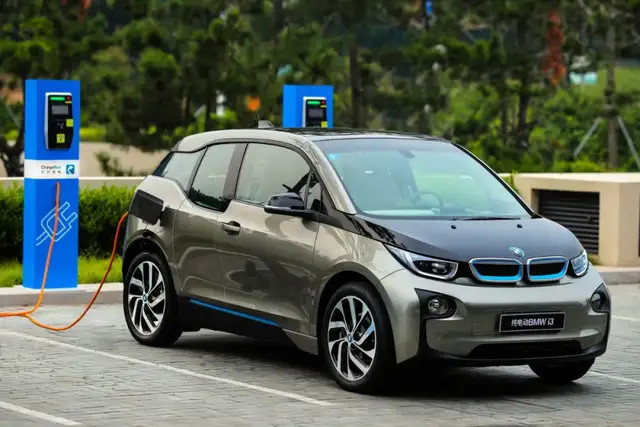
Currently, the electrification of ordinary civilian vehicles has become a trend. So, will military vehicles also be electrified? The High Requirements of Military Vehicles Generally speaking, military vehicles have three key requirements. One is passability: in order to quickly traverse various terrains, military vehicles typically adopt multi-wheel designs and enhance traction through various indicators. In general, military vehicles will also match the number of axles with four-wheel drive, six-wheel drive, or even eight-wheel drive, and the driver needs to choose the driving mode based on the actual terrain requirements.

The lithium battery is very useful in the military.
2021-09-28
Recently, the Royal Swedish Academy of Sciences awarded the Nobel Prize in Chemistry to three scientists for their outstanding contributions to the development of lithium-ion batteries. Among them, Whittingham used titanium sulfide as the positive electrode material and metallic lithium as the negative electrode material to create lithium-ion batteries. Goodenough, through repeated experiments and validations, discovered that lithium cobalt oxide was more suitable for storing lithium ions than titanium sulfide, significantly increasing the battery's voltage platform. Based on this, Yoshino replaced pure lithium with lithium ions, enabling lithium-ion batteries to meet practical application conditions.

2021-09-28
Lithium battery manufacturers explain the characteristics and applications of military special lithium battery products. The advancement of lithium battery technology will not only accelerate the development of 3C products but also promote the development of national defense, military industry, and telecommunications technology. Customized military lithium-ion battery products can be integrated into rugged portable devices, used as standalone devices, or serve as central energy storage for soldiers under harsh combat and training conditions. In the military field, tactical portable equipment (such as communication, control, reconnaissance, and positioning devices) primarily relies on lithium batteries as the core power unit, capable of meeting the power needs of devices under various usage modes (handheld, carried, worn, and moved). Military special lithium batteries require special customization, with more stringent process requirements than ordinary lithium batteries, as they must adapt to relatively harsh working environments and temperature ranges.

Lithium-ion batteries: Opportunities and challenges in underwater military applications
2021-09-28
In the past twenty years, lithium-ion battery technology has been used in underwater applications in the defense sector, such as conventional submarines, special forces transport vehicles, submersibles, and torpedoes. Despite its widespread use in various applications, lithium-ion batteries can be described as a relatively immature energy storage technology. Lithium-ion battery technology has been improved and has become a truly emerging technology across various civilian and defense applications. Global data indicates that the following are the main opportunities and challenges for lithium-ion batteries in underwater applications: 1. Potential alternative to lead-acid batteries. Lithium-ion batteries are a potential alternative to lead-acid batteries, which are the primary power source for submarines. Compared to lead-acid batteries, LIBs have higher energy density, improved charge and discharge dynamics, and a longer overall lifespan, typically more than twice that of lead-acid batteries. All diesel-powered submarines use batteries to operate silently underwater. The batteries are charged by diesel engines, which require oxygen to operate. This necessitates that submarines surface or at least snorkel to expose the periscope, air intake, and exhaust above the water surface. Using lithium-ion batteries, submarines can stay submerged for longer periods, and the energy stored in an entire battery pack can power a small town for several hours. The design of lithium-ion batteries allows them to be installed in any submarine with slight technical modifications, thereby directly replacing lead-acid batteries.

Are lithium batteries afraid of low temperatures? Military low-temperature lithium battery standards
2021-09-28
Are lithium batteries sensitive to low temperatures? Military standards for low-temperature lithium batteries. Among all environmental factors, temperature has a significant impact on the charging and discharging performance of batteries, as the electrochemical reactions at the electrode/electrolyte interface are related to the ambient temperature. Currently, military low-temperature lithium batteries operate at temperatures as low as -50°C, but due to the special usage environment, the standards for military low-temperature lithium batteries must meet certain conditions. Below, the editor from Stored Energy Electric will explain. Are lithium batteries sensitive to low temperatures? Lithium batteries have characteristics such as large storage capacity, stable operation, and almost no memory effect, and they also have advantages in adapting to environmental temperatures. For example, lithium thionyl chloride batteries can operate in a temperature range of -40°C to +55°C. Of course, when the temperature drops to -40 degrees, the capacity will also change to about 50% of that at room temperature. This indicates that low temperatures have a significant impact on lithium batteries, and they should be stored and used at room temperature as much as possible.

Contact E-mail:
WhatsApp:
Company Address:
Building 31, Sino-German Industrial Park, Yibin District, Luoyang City, Henan Province